
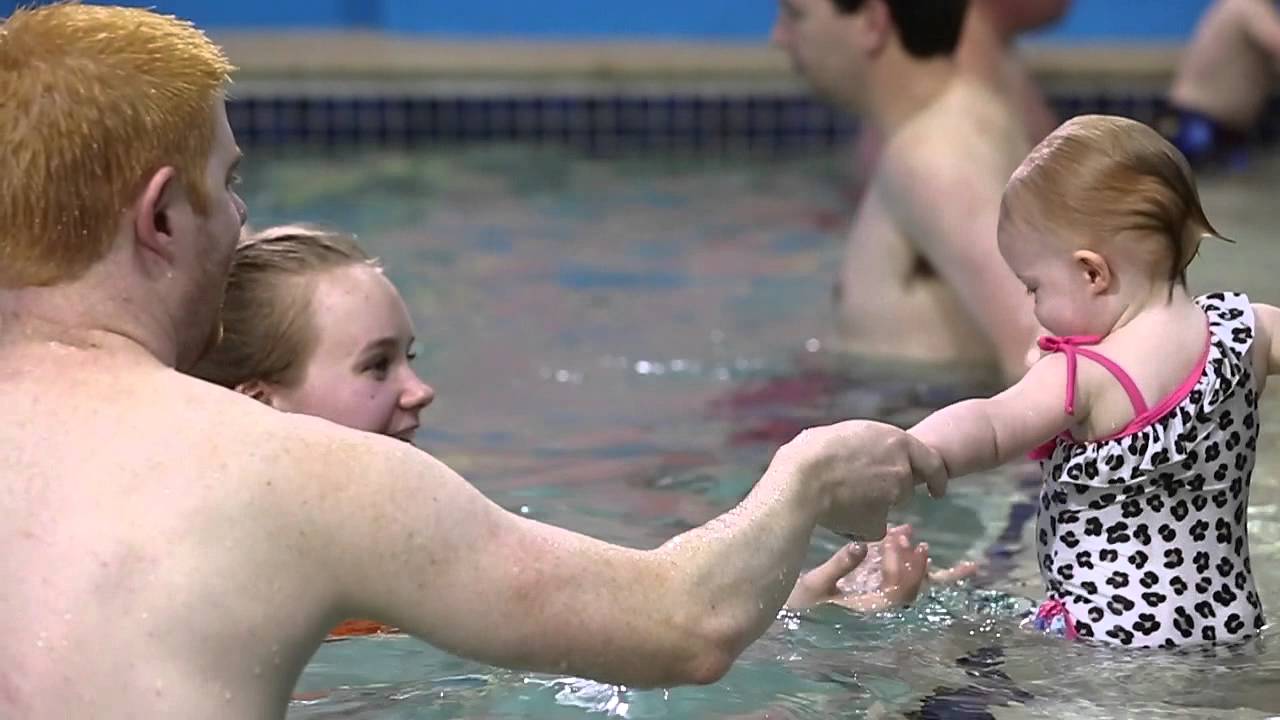
Early water exposure shapes how babies respond to pools long before they can swim on their own. Carefully designed infant swimming lessons focus less on technique and more on awareness, comfort, and gentle communication with water. These lessons introduce simple cues that help babies recognize sensations, movements, and signals in a calm, supportive setting.
Gentle Splashes Teaching Babies How Water Moves Around Them
Small splashes are one of the first ways babies learn how water behaves. Instead of sudden movement, instructors use slow, controlled splashes near the hands and feet to show how water flows and reacts. This helps babies notice cause and effect without feeling startled or overwhelmed during infant swimming lessons.
Over time, babies begin to anticipate the sensation of water touching their skin. This awareness supports comfort and reduces fear responses later. In Springfield swimming lessons, these early splash cues lay the groundwork for recognizing motion, sound, and surface changes in the pool.
Soft Holds Helping Little Ones Learn Floating Sensations
Floating can feel unfamiliar to babies, which is why supportive holds are essential. Instructors maintain gentle contact under the back, head, or torso so babies feel secure while experiencing buoyancy. This allows them to sense how water supports their body without tension. As trust builds, babies relax into the water instead of stiffening. Infant swimming classes near me often emphasize consistent body positioning so babies associate floating with comfort rather than uncertainty. These early sensations help reduce anxiety during later swimming stages.
Slow Submersion Cues Showing Babies How to React Calmly
Submersion is introduced gradually using clear, repeated cues. Before any brief dip, instructors use verbal signals and gentle motions so babies learn to expect the change. This consistency helps babies remain calm rather than startled.
Short, controlled dips teach babies that submersion is temporary and predictable. In swimming lessons Springfield VA, these cues help babies develop early awareness of transitions in the water, reinforcing trust and emotional regulation rather than reflexive panic.
Guided Kicks Helping Them Feel Their Legs Push Through Water
Babies naturally move their legs, but water changes how those movements feel. Guided kicking helps babies notice resistance and motion without pressure to perform. Instructors support the body while encouraging gentle leg movement through the water.
This experience builds early muscle awareness. Over time, babies begin to connect leg motion with forward movement. Infant swimming lessons near me often use repetition and calm pacing to help babies understand how their legs interact with water.
Light Hand Motions Teaching Babies Simple Paddle Movements
Hand movement introduces another layer of water awareness. Instructors guide babies’ hands through slow paddling motions so they feel water moving past their fingers and palms. These light motions are never forced or rushed.
Babies start to associate hand movement with gentle propulsion. Springfield swimming lessons use these cues to support coordination without expecting control. This early exposure helps babies grow familiar with using both arms and legs together in water.
Face-wetting Games Easing Early Comfort with Water Contact
Water touching the face can be uncomfortable if introduced too quickly. Face-wetting games use playful techniques like pouring water from a cup or splashing cheeks lightly. These moments help babies experience water contact in a positive, non-threatening way.
Gradual exposure builds tolerance and reduces sensitivity. Infant swimming classes near me often repeat these games so babies learn that water on the face is manageable. This comfort becomes important for later breath control and submersion activities.
Supported Glides Helping Babies Understand Forward Movement
Gliding introduces the idea of moving through water while supported. Instructors hold babies securely while guiding them forward in short, smooth motions. This teaches babies how water feels when the body moves horizontally.
The sensation of forward motion helps babies develop spatial awareness in the pool. Swimming lessons Springfield VA use supported glides to connect movement with direction, helping babies understand that water can carry them gently from one point to another.
Breath Cues Teaching When to Close the Mouth Before Dipping
Breath awareness begins earlier than many parents expect. Simple cues like verbal prompts or light taps help babies recognize when to close their mouth before brief water contact. These cues are consistent and predictable. Over time, babies begin to respond naturally to these signals. Infant swimming lessons focus on repetition rather than performance, allowing babies to develop timing and comfort at their own pace without pressure or stress.
Warm Water Play Building Trust and Relaxation in Early Lessons
Warm water plays a key role in relaxation. Comfortable temperatures help muscles stay loose and reduce startle responses. Play-based activities encourage babies to associate the pool with safety and enjoyment rather than discomfort. Trust grows as babies feel consistently supported. Infant swimming lessons near me often rely on warm water play to reinforce positive associations that last beyond early lessons. Safe Splash supports these foundations by creating environments where babies can learn water cues calmly and confidently.