
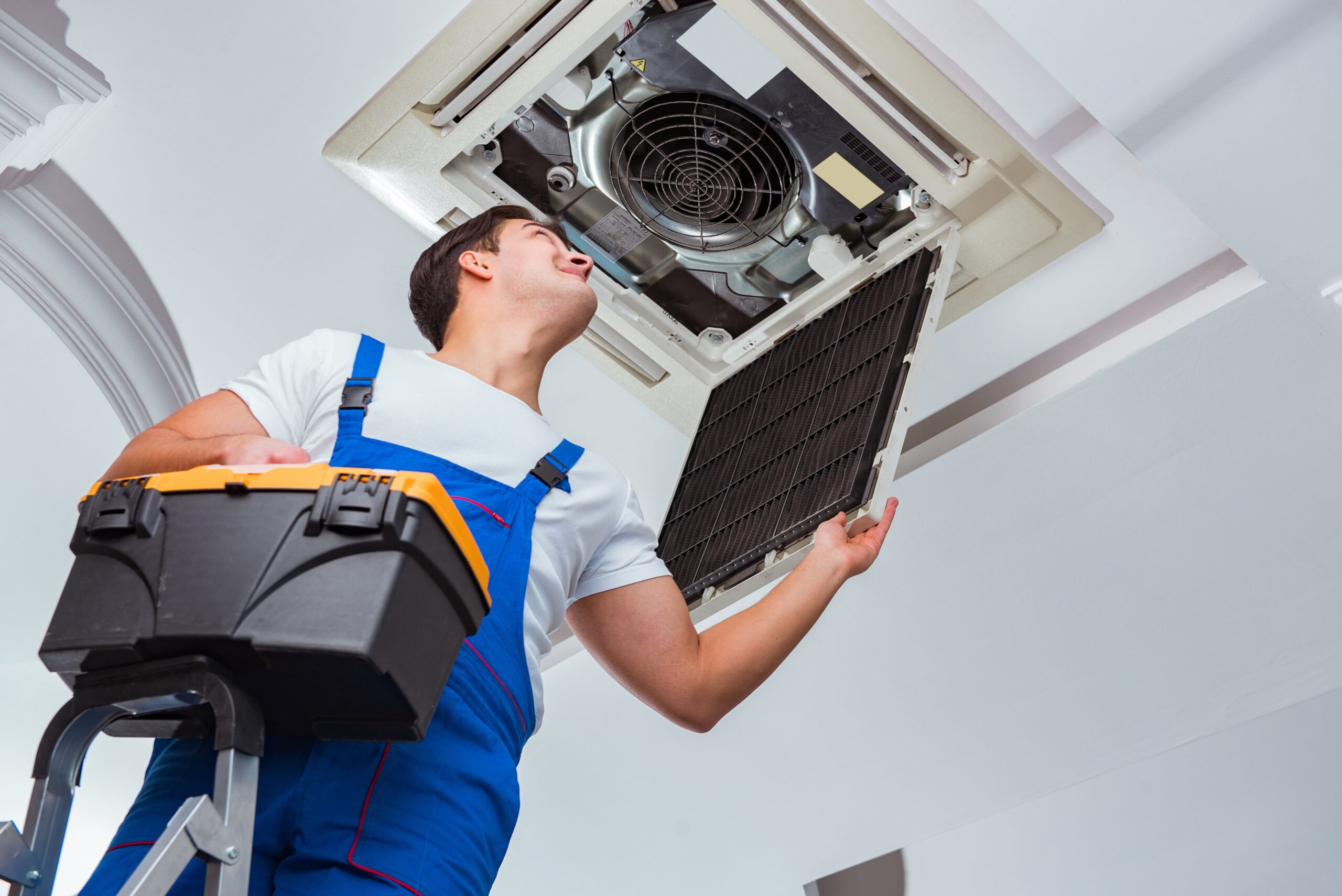
Clean indoor air depends on far more than dust removal or surface wiping. Hidden moisture inside HVAC systems often fuels unexpected microbial activity that spreads throughout a property. Many people are surprised to learn that disinfecting drain pans is a core part of HVAC cleaning in Lebanon, TN because these pans influence system cleanliness more than most areas.
Standing Water Creating a Breeding Spot for Fast-growing Microbes
A drain pan that holds standing water becomes an active habitat for microorganisms. Moisture collects beneath the coils and settles long enough for bacterial and fungal growth to form. Because this moisture stays warmer than the surrounding air, it creates the perfect conditions for rapid expansion. Growth occurs even faster once organic particles from everyday airflow drift into the water. Debris becomes food for microbes that quickly multiply, making disinfecting part of any HVAC cleaning near me search essential for long-term system care.
Slime Buildup Spreading Spores Through System Airflow
A slimy layer forms on many neglected drain pans after microbial colonies begin to thicken. The slime clings to the pan surface and loosens each time the system cycles, allowing small patches to break away. Those patches release microscopic spores that move into the conditioned air and travel room to room. The spread becomes more noticeable as air pressure pushes spores into larger pathways. This is one reason residents often search for an air duct cleaner in Lebanon, TN after noticing musty scents that seem to follow their airflow patterns.
Clogged Pans Pushing Contaminated Water into Ductwork
Blocked drain openings prevent water from escaping the pan, forcing it to build until it overflows into nearby components. Overflow introduces contaminated droplets into the system housing first, then into ductwork once airflow picks up the moisture. This carries active microorganisms throughout the supply lines. Water that has been sitting for days or weeks typically contains high concentrations of microbes. As the system pushes this moisture into circulation, anyone inside the building encounters lower-quality air until professional air duct cleaning in Lebanon, TN addresses the issue.
Biofilm Layers Releasing Odors into Occupied Rooms
Biofilm develops after repeated microbial growth cycles occur on the same surfaces. This layer traps odors and slowly releases them with each burst of airflow. Many people notice the scent first when their system starts up after sitting idle overnight. Odors grow stronger as the biofilm thickens, making everyday indoor environments feel less comfortable. Addressing the root conditions during HVAC cleaning in Lebanon, TN prevents these odors from becoming long-term issues.
Overflow Risks Causing Moisture Damage Around the Unit
Drain pans that are not disinfected or maintained allow blockages to persist. Once water spills over the edges, it can soak insulation, nearby flooring, or interior walls. Moisture damage may begin quietly at first, often hidden until stains or structural changes appear. System efficiency drops when wet surfaces surround equipment. Moist materials attract additional microbes, meaning the contamination grows near the HVAC housing even before reaching ductwork.
Microbial Debris Lowering Indoor Air Quality Benchmarks
Microbial debris that breaks off from the drain pan becomes part of the air supply. Indoor environments rely on consistent air quality benchmarks to support comfortable breathing conditions, yet contaminated particles quickly lower these standards. Those seeking air duct cleaners near me often do so after noticing persistent irritation or changes in the air’s freshness.
Smaller properties can experience air changes more rapidly, making debris problems more noticeable. Pan disinfection limits how much these particles enter the circulation path.
Warm, Damp Pan Surfaces Accelerating Bacterial Growth
Warm condensate dripping off the evaporator coils creates an ideal temperature range for bacteria. The warmth helps microorganisms divide quickly, often doubling colonies in hours. With continuous system use, the pan rarely dries completely, keeping this growth cycle active. Moisture that clings to the pan’s edges deepens the issue. A routine HVAC cleaning near me search commonly leads residents to learn how often these surfaces stay warm enough to keep microbial growth alive year-round.
Routine Disinfection Stopping Recurrent Microbial Regrowth
Regular disinfection breaks the cycle that allows microbes to reappear after cleaning. Drain pans that receive consistent treatment remain less hospitable for new colonies. This prevents recurring issues that otherwise return weeks after a basic cleaning. The entire HVAC system benefits once the pan remains clean, because fewer contaminants enter the ducts, coils, or air pathways. Residents looking to prevent indoor environmental quality violations can rely on services from Mr B, who helps reduce microbial regrowth through disciplined HVAC cleaning in Lebanon, TN.