
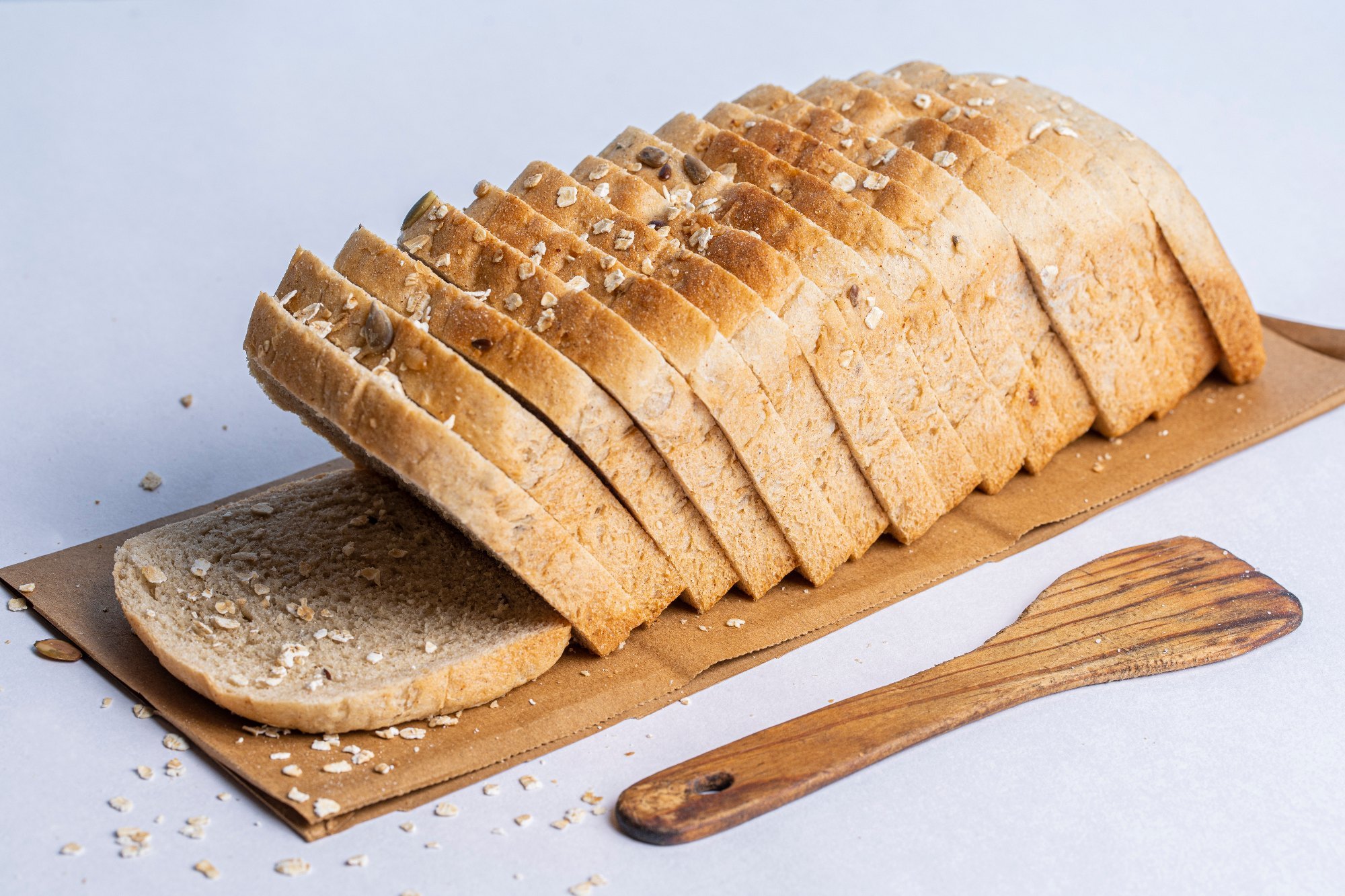
In the vast landscape of culinary exploration, few dishes possess the rich tapestry of history, cultural significance, and gastronomic delight as milḫu. This article embarks on an insightful voyage into the world of milḫu, unraveling its origins, diverse variations, culinary importance, and its intriguing presence in popular culture.
A Brief Overview of Milḫu
Milḫu, a term that resonates with the fragrance of freshly baked bread and the warmth of communal gatherings. It encapsulates an ancient tradition of dough-based delicacies. Originating from various corners of the world, it encompasses a range of bread-like creations that have been cherished across cultures and centuries.
Why Milḫu Matters
As we delve into the depths of culinary heritage, it becomes evident that milḫu is more than just sustenance. It’s a cultural conduit that links generations, preserving traditions and reflecting the essence of societies. By understanding the roots of this, we gain a profound appreciation for its role in shaping civilizations and fostering human connections.
The Historical Tapestry of Milḫu
Tracing Milḫu’s Roots: Ancient Origins and Evolution
Milḫu’s story begins in the annals of ancient civilizations. The simple grains were transformed into culinary wonders through the alchemy of kneading, baking, and sharing. From the unleavened bread of Egypt to the leavened loaves of Rome, milḫu’s evolution mirrors the journey of human progress. It marked milestones in agricultural practices and culinary innovation.
Milḫu in Civilization: Culinary Significance in Different Cultures
Across the globe, milḫu found its way into the heart of diverse cultures, assuming unique forms and flavors. The pita of the Middle East, the focaccia of the Mediterranean, and the naan of Asia are but a few examples of how it has been embraced, adapted, and integrated into daily life, symbolizing unity and nourishment.
An Archaeological Glimpse: Unearthing Milḫu in Ancient Kitchens
The remnants of this in archaeological sites unveil not only the ingredients and techniques employed but also the role of bread in ancient societies. Grain storage facilities, ovens, and grinding tools provide fascinating insights into the centrality of milḫu in sustenance, ritual, and communal feasts.
Milḫu Ingredients and Preparation
Flour Power: Understanding the Core Ingredient of Milḫu
At the heart of every milḫu creation lies flour, a staple transformed by skillful hands into dough, imbued with cultural nuances and historical significance. Different grains, from wheat to barley, contribute distinctive flavors and textures, resulting in a rich spectrum of milḫu varieties.
A Dash of Flavor: Diving into Seasonings and Enhancements
While the fundamental components of this are humble, the artistry lies in the seasonings and enhancements that elevate its taste. From the simplicity of olive oil and sea salt to the complexity of herbs and spices, these additions accentuate the essence of milḫu, infusing it with depth and character.
Mix and Knead: Step-by-Step Guide to Milḫu Dough Preparation
The journey from raw ingredients to a pillowy, fragrant milḫu involves a carefully choreographed dance of mixing, kneading, and resting. A step-by-step guide unravels the techniques employed by bakers to achieve the perfect balance of elasticity and structure in it’s dough.
Rise to Perfection: The Art of Fermentation in Milḫu Making
Fermentation, a cornerstone of milḫu preparation, transforms the dough into a light and airy masterpiece. Delve into the science behind fermentation, exploring the role of yeast, bacteria, and time in imparting the characteristic flavor profile and texture to different it’s varieties.
Varieties of Milḫu Across Cultures
Middle Eastern Milḫu Delights: Pita, Lavash, and Beyond
The Middle East boasts an array of milḫu creations, each with its distinct cultural significance. Pita, with its pocket-like interior, serves as a vessel for various fillings, while the delicate layers of lavash lend themselves to wrapping and dipping, igniting the senses with every bite.
Mediterranean Marvels: Focaccia, Ciabatta, and Their Milḥu Origins
In the Mediterranean region, milḥu takes on different forms, from the herb-studded focaccia to the rustic ciabatta. Discover how these variations, rooted in tradition, have evolved to meet modern tastes while preserving the essence of their origins.
Asian Flair: Unveiling Naan, Roti, and Other Milḥu Influences
The culinary landscape of Asia is adorned with milḥu counterparts, such as the pillowy naan of India and the versatile roti of Southeast Asia. These variations not only celebrate regional flavors but also embody the cultural diversity of the continent.
Milḫu in Gastronomy
Breaking Bread: The Social and Symbolic Aspects of Milḥu
Beyond its culinary appeal, milḥu holds a symbolic role in human interactions. Breaking bread together has transcended time, serving as a gesture of unity, trust, and hospitality. Uncover the social significance of milḥu, from family dinners to ceremonial gatherings.
Milḥu in Modern Menus: Fusion and Innovations in Culinary Offerings
As culinary boundaries continue to blur, milḥu finds itself in the realm of fusion cuisine. Innovative chefs blend traditional milḥu varieties with global flavors, creating delightful hybrids that pay homage to tradition while embracing contemporary tastes.
Health and Nutritional Aspects of Milḥu
Nutritional Snapshot: Exploring Milḥu’s Dietary Benefits
Milḥu, beyond its sensory allure, boasts nutritional virtues that align with modern dietary preferences. Explore the nourishing elements of milḥu, from its whole grain variations rich in fiber to its protein content and array of essential vitamins and minerals.
The Gluten Question: Milḥu’s Role in Gluten-Free Diets
For those with gluten sensitivities, milḥu offers a realm of possibilities. Delve into the gluten-free adaptations of milḥu, exploring alternative flours and techniques that cater to dietary restrictions without compromising on taste or texture.
Preservation and Revival of Milḥu Traditions
Preserving Heritage: Efforts to Keep Milḥu Traditions Alive
In an era of rapid change, preserving milḥu traditions becomes paramount to safeguarding cultural heritage. Discover the initiatives and organizations dedicated to nurturing these age-old practices, ensuring that the art of milḥu-making thrives for generations to come.
Home Baker’s Haven: Making Milḥu Accessible to Modern Kitchens
The resurgence of home baking has breathed new life into milḥu traditions. Explore how home bakers, armed with passion and innovation, are rekindling the art of milḥu-making, adapting ancient techniques to fit contemporary kitchen settings.
Milḥu Workshops: Learning the Art from Masters
For those eager to immerse themselves in the world of milḥu, workshops and classes provide a hands-on experience guided by seasoned masters. Uncover the allure of these workshops, where participants not only learn techniques but also cultivate an appreciation for the cultural narrative of milḥu.
Milḥu in Popular Culture
Literary and Artistic References: Milḥu as a Muse
Throughout history, milḥu has captured the imagination of writers, artists, and creators, becoming a muse for their works. Journey through literature, paintings, and other artistic expressions that pay homage to the simple yet profound beauty of milḥu.
Milḥu Idioms and Sayings: Unpacking Linguistic Expressions
Language, often intertwined with culture, has given rise to idiomatic expressions centered around milḥu. Explore the linguistic landscapes where phrases like “breaking bread” and “earning one’s daily milḥu” offer insights into how deeply rooted milḥu is in human communication.
Conclusion
In the heart of every milḥu lies a slice of history. A pinch of tradition and a dash of cultural significance. As we journey through the narrative of milḥu, we’re reminded that this seemingly simple creation transcends its culinary boundaries. It’s weaving a story that resonates with time, place, and the shared experiences of humanity. So, the next time you break bread, remember that you’re partaking in a journey through time and taste buds. It is savoring a connection that spans civilizations and embraces the diversity of our world.
You may also like – Pépico

