
Key Takeaways
- Autonomous ride services are one option within Austin’s broader transportation system.
- Service zones, pickup locations, vehicle types, wait times, and prices can vary by operator and trip.
- A driver-assistance feature in a personal car is not the same as a vehicle that performs the driving task for passengers.
- Safety, accessibility, privacy, customer support, and curb access all matter as services expand.
- Autonomous rides are most useful when they integrate with walking, cycling, transit, and conventional ride-hailing.
Austin’s streets can change quickly. A trip may involve downtown loading zones, construction detours, scooters, cyclists, pedestrians, event traffic, and sudden rain. That makes self-driving cars in Austin, TX, a practical transportation topic rather than just a technology story.
For riders, the useful question is not whether autonomous vehicles look futuristic. It is whether a service can provide a clear, safe, affordable, and accessible trip for a specific need. Knowing what to expect before requesting a ride can make the experience less confusing and help riders decide when it fits their routine.
Why Austin Is a Useful Test City
Austin combines dense central streets with wide arterial roads, neighborhood routes, active entertainment districts, and rapidly changing development patterns. The city also has people traveling by foot, bike, bus, rail, car, and scooter. An autonomous service must operate around all of those conditions, rather than only on simple or predictable roads.
That is why autonomous rides should be viewed as one part of the transportation mix. They may add a travel choice for some trips, but they do not eliminate the need for reliable sidewalks, transit, bike infrastructure, safe crossings, or human-driven transportation.
How Autonomous Ride Services Work
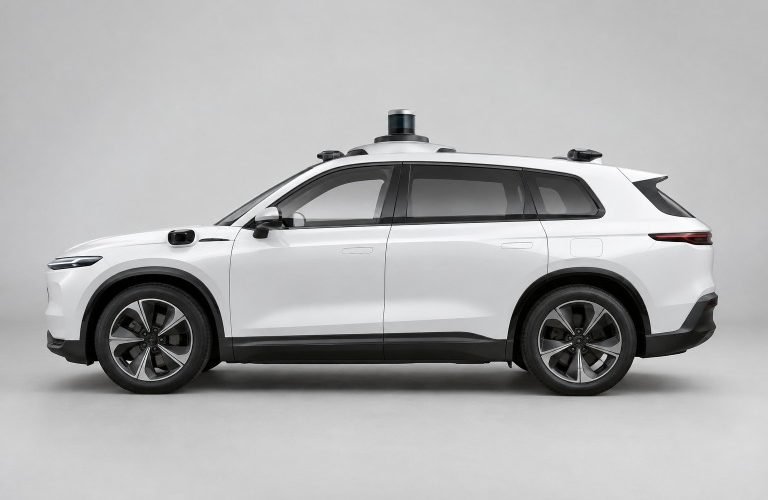
The process usually begins in an app. A rider enters a pickup point and destination, and the service checks whether the trip is inside its operating area and whether a vehicle is available. The vehicle uses cameras, sensors, detailed maps, onboard computing, and driving software to navigate within the conditions it is designed to handle.
Remote support may be available for customer questions or unusual situations, but that does not mean a person is continuously driving the vehicle from elsewhere. The vehicle may also adjust its route due to traffic, lane closures, blocked streets, or to reach a safer place to stop.
What to Expect During a Trip
Pickup can be the most unfamiliar part of the experience. The vehicle may stop near the requested pin rather than directly at it if the exact location is unsafe, blocked, or unsuitable for loading. Riders should match the vehicle details in the app before entering and review the in-vehicle instructions for starting, ending, or getting help during the ride.
A cautious driving style can sometimes feel unusual. The vehicle may wait longer at a complicated turn, give cyclists extra space, or choose a route that seems less direct. If a ride stops unexpectedly or cannot complete the trip, use the in-app support option and follow the service’s instructions.
Safety Questions That Matter
Driver Assistance Is Different From Autonomous Operation
Many consumer vehicles have features such as lane support, adaptive cruise control, or emergency braking. Those are driver-assistance technologies, and the human driver remains responsible for monitoring the road. In contrast, a high-automation ride service is intended to perform the driving task within a defined operating area while occupants ride as passengers. The federal government’s explanation of automated vehicle safety distinguishes these different levels of automation.
Technology Does Not Remove Every Risk
Autonomous vehicles still need to respond safely to people walking, people biking, emergency vehicles, work zones, faded markings, temporary signs, and unusual road conditions. Useful safety evaluation includes testing, vehicle maintenance, incident reporting, software updates, emergency procedures, and responsive customer support. Riders should treat safety claims with care and look for evidence, not marketing language alone.
Who Sets the Rules in Texas?
Texas law establishes the statewide framework for autonomous vehicle operations. The City of Austin explains that state law preempts local regulation of self-driving vehicles, while the Texas Department of Motor Vehicles has authority over the safe deployment and operation of certain autonomous vehicles. Austin can still share local transportation knowledge, coordinate with operators, collect public concerns, and support first responders. The city’s autonomous vehicle information also explains how residents can report dangerous situations or non-emergency concerns.
A vehicle being permitted to operate does not mean a ride is available everywhere, at every hour, or for every type of passenger. Service areas and rider eligibility remain operator-specific.
How Autonomous Rides May Fit Daily Travel
Autonomous rides may be useful for a late-night trip, a short connection to a transit station, an errand when parking is inconvenient, or a trip for someone who does not drive. Their value often depends on the first and last part of the journey. For example, a rider might take an autonomous vehicle to a rail station, then continue by train or bus instead of paying for a longer car trip.
This approach treats shared mobility as a connector. It adds options without assuming that every trip must be completed by a single vehicle.
Access, Cost, and Community Needs
Convenience alone will not determine whether these services help Austin broadly. Riders should consider the full trip cost alongside transit fares, parking, fuel, cycling, and conventional ride-hailing. Limited fleets can mean longer waits during storms, major events, or busy travel periods.
Accessibility is equally important. Services need practical answers for wheelchair users, people traveling with service animals, riders with visual or hearing disabilities, and people who need clear human support. Coverage also matters. A system concentrated only in high-demand areas may offer little benefit to neighborhoods with fewer transportation choices. Riders should also understand how account, payment, trip, and vehicle-use data may be collected and handled.
Tips for Trying an Autonomous Ride
- Confirm that both pickup and destination are within the service area.
- Choose a pickup point that does not require crossing active traffic lanes.
- Keep your phone charged and the app updated.
- Read the rider instructions before entering the vehicle.
- Secure bags, pets, and mobility equipment as directed.
- Locate in-app support and emergency features before the vehicle starts moving.
- Allow extra time for a first trip or an important appointment.
- Report unclear, unsafe, or inaccessible experiences through the appropriate channel.
What Could Change Next
Operating areas may grow, services may connect more closely with transit and mobility hubs, and cities may continue to focus on curb management, emergency response, accessibility, insurance, and public communication. More choices could benefit riders, but comparing prices, capabilities, and service quality may also become harder.
Conclusion
Autonomous ride services are now part of Austin’s transportation conversation, but novelty is not the best measure of progress. The important tests are straightforward: Is the ride safe, understandable, accessible, fairly priced, and useful in real local conditions? Austin riders who approach these services with practical expectations can better recognize where autonomous travel adds value and where it still needs improvement.
